
What to Expect
Individualized evaluation. Thoughtful bodywork. Supportive Care.Every horse is unique, and each session is guided by their individual needs, movement, and responses. Learn what to expect throughout the bodywork process, from preparation and evaluation to hands-on care and aftercare.
-
A little preparation helps create a safe, comfortable, and productive environment for your horse’s bodywork session.
Preparing Your Horse
Intake Form: New clients will receive an intake form to complete before their appointment. This provides important information about your horse’s history, current concerns, and individual needs.
Clean & Dry: Please have your horse reasonably clean and dry before the session. Excessive dirt, mud, or moisture can interfere with hands-on techniques.
Suitable Working Area: A safe, relatively quiet area with level footing and enough room to comfortably work around your horse is ideal.
Health Updates: Please communicate any recent injuries, lameness, veterinary treatments, medications, or significant changes in your horse’s health or behavior before the appointment.
Owner Presence & Handling
While I am comfortable working independently with horses, I encourage owners to be present for the initial session whenever possible. This allows us to discuss your horse’s history, review any concerns, and go over my evaluation findings and recommendations together.
For follow-up appointments, owner presence is not required as long as appropriate arrangements have been made for access to and safe handling of your horse.
What to Have Available
Please have a properly fitted halter and lead rope available. If your horse requires additional handling assistance, we can discuss arrangements before the appointment.
-
Every session begins with an evaluation to better understand your horse’s movement, comfort, and individual needs. This allows me to identify areas of tension, restriction, or compensation and tailor my approach accordingly.
What the Evaluation Includes
History & Owner Concerns: We’ll discuss your horse’s history, current workload, previous injuries, and any changes in movement, behavior, or performance.
Static Assessment: Observing your horse at rest, including posture, weight distribution, muscular development, and overall symmetry.
Dynamic Assessment: Observing your horse in motion, typically at the walk and trot, to identify movement patterns, asymmetries, or potential areas of compensation.
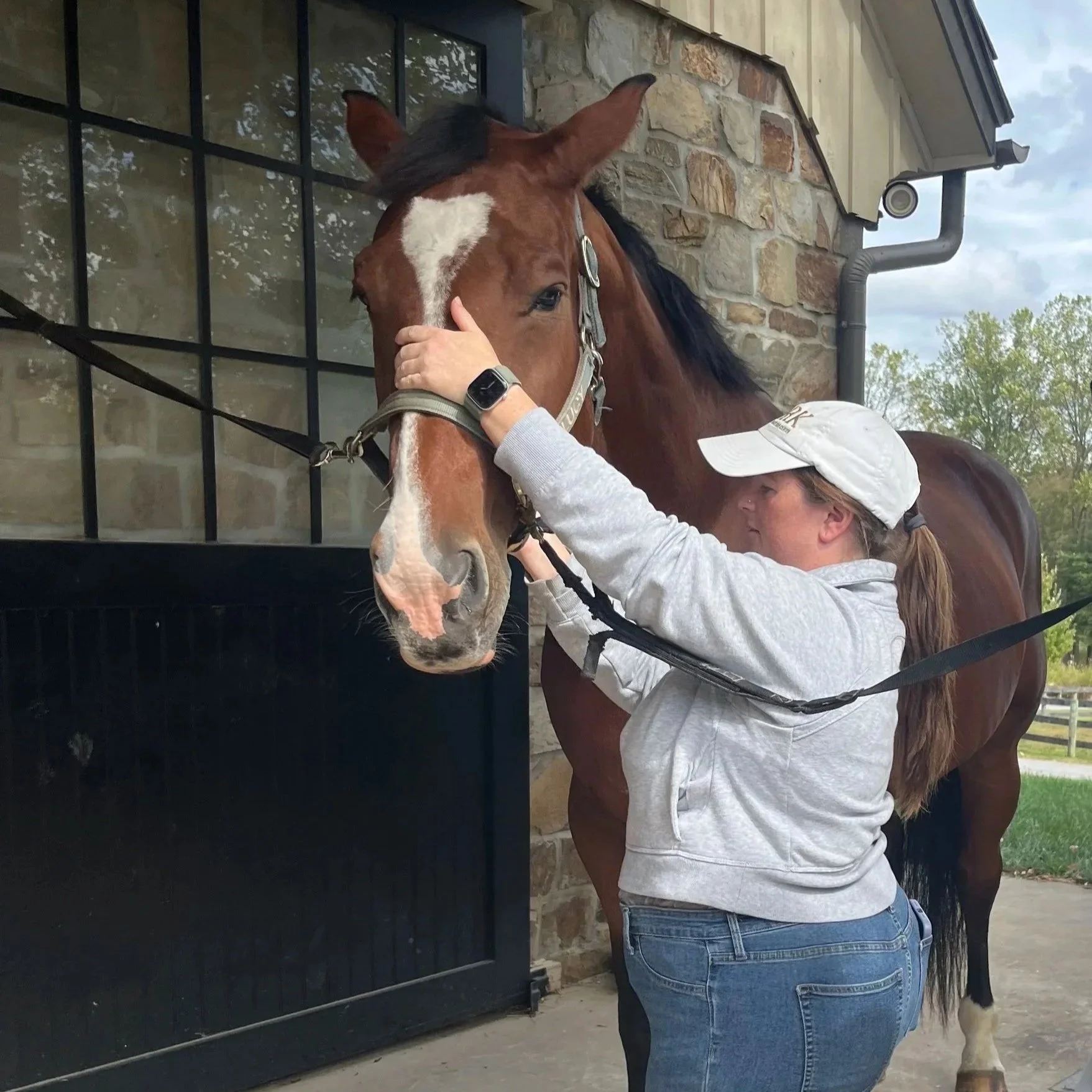
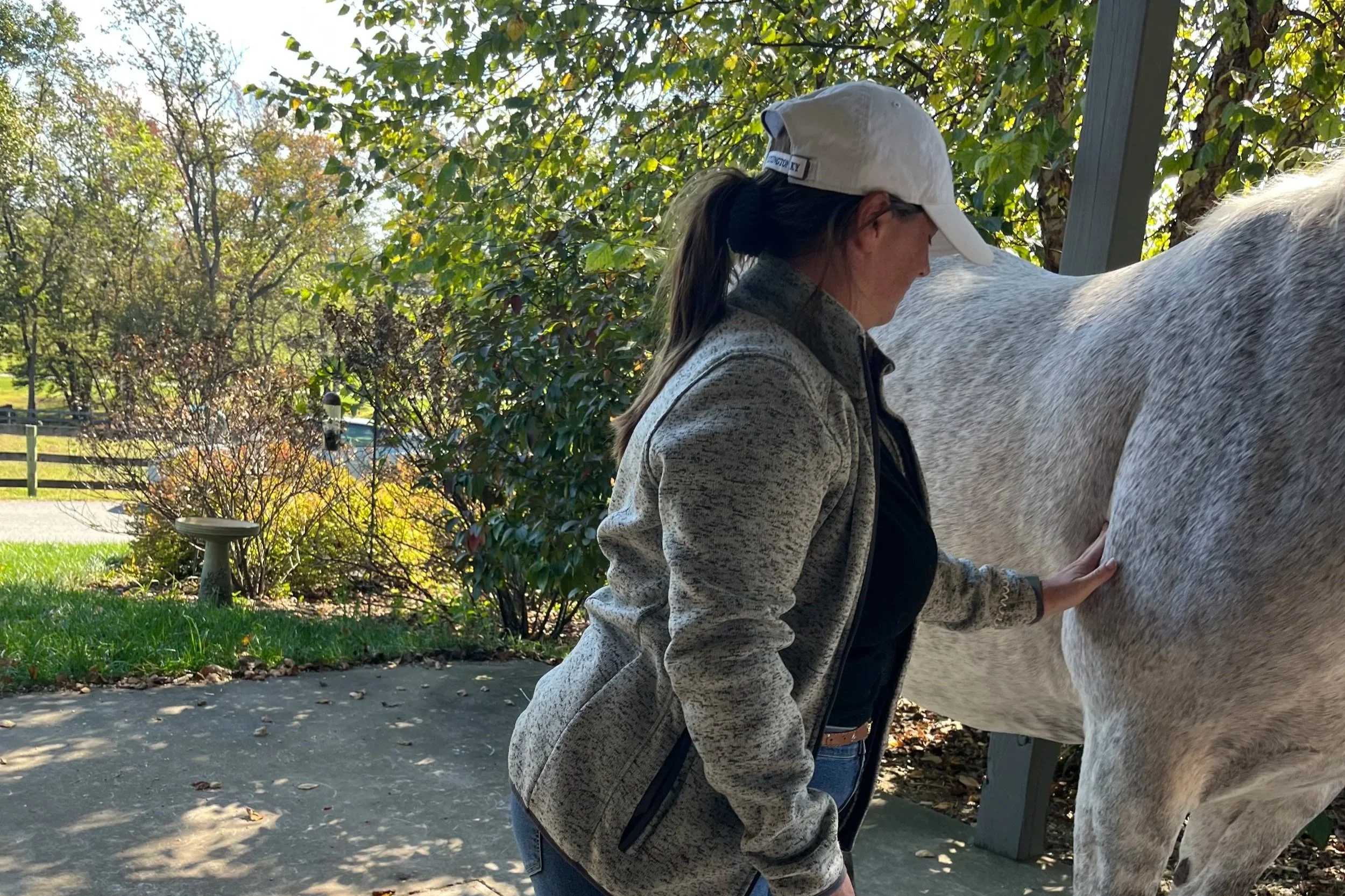
Palpation: Using gentle, hands-on assessment to evaluate tissue texture, muscle tension, sensitivity, and areas of restriction throughout the body.
Range of Motion: Assessing mobility and flexibility through appropriate movements to better understand areas of resistance or limitation.
How These Findings Guide Your Session
The information gathered during the evaluation helps determine which areas may benefit from additional attention and which techniques are most appropriate for your horse.
Rather than following a predetermined routine, each session is individualized based on your horse’s presentation, responses, and comfort.
Throughout the session, I may also reassess areas of significant tension or restriction after applying certain techniques. This allows me to observe changes in tissue softness, sensitivity, and mobility and adjust my approach as needed.
What About Follow-Up Sessions?
Evaluations are an important part of every appointment, not just the initial session. During follow-up visits, I reassess your horse’s movement, musculature, and range of motion to monitor changes and guide continued care.
Because I’m already familiar with your horse’s history and previous findings, these evaluations are typically more efficient, allowing additional time for hands-on bodywork.
-
Every bodywork session is guided by your horse’s individual needs, comfort, and responses. Rather than following a strict head-to-tail routine, I work with the areas that require attention while allowing your horse’s feedback to guide the pace and direction of the session.
A Horse-Centered Approach
I believe horses should have a voice in their bodywork experience. Throughout the session, I observe subtle changes in posture, expression, movement, and behavior to better understand how your horse is responding.
Some horses are comfortable with hands-on work right away, while others may need additional time to become familiar with certain techniques or sensitive areas.
I adjust my approach accordingly, allowing breaks, modifying techniques, or moving to another area when needed. If a horse shows persistent discomfort or resistance, I respect those responses rather than forcing a technique.
Respecting Your Horse’s Boundaries
Every horse has different comfort levels, sensitivities, and ways of communicating. While some horses readily accept bodywork, others may need additional time, breaks, or modifications to certain techniques.
If a horse becomes uncomfortable or consistently resistant, I will adjust my approach and reassess their responses. In some cases, this may mean ending the session early rather than continuing when the horse is no longer comfortable participating.
My priority is always to provide a positive, respectful experience while working within each horse’s individual limits.
What You May Notice
Horses communicate through a variety of physical and behavioral responses during bodywork. You may observe:
Licking and chewing
Yawning or deep breaths
Softening of the eyes or facial expression
Changes in posture or head position
Stretching or shifting weight
Changes in muscle tension or tissue softness
These responses can provide useful information about your horse’s experience, but no single behavior confirms that tension has been released. I consider each response alongside the horse’s overall comfort and body language.
Working With Areas of Tension
Some areas may require additional attention, while others may respond more readily to gentle techniques.
I may move between different regions of the body throughout the session, rather than working in a fixed order. When appropriate, I also reassess areas of significant tension after applying certain techniques to observe changes and determine how to proceed.
Creating a Supportive Environment
During the session, I ask that owners and handlers minimize unnecessary distractions, including feeding treats or encouraging movement while a technique is being performed, unless appropriate for that individual horse. This allows me to observe your horse’s natural responses and helps maintain a safe, focused working environment.
-
Every horse responds to bodywork differently. Some may show noticeable changes in relaxation, movement, or comfort, while others may demonstrate more subtle responses.
What You May Notice
Following a session, your horse may appear more relaxed, move differently, or demonstrate changes in posture and muscular comfort. Some horses may also seem quieter or more tired than usual.
Responses vary between individuals, and noticeable changes are not always immediate. I encourage owners to observe their horse’s movement, behavior, and overall comfort following a session.
Post-Session Care & Exercise
Aftercare recommendations are individualized based on your horse’s needs, the techniques performed, and their response to the session.
In most cases, horses can return to light ridden work the following day. A relaxed hack or a gentle, stretchy ride is generally preferred over strenuous exercise immediately following bodywork.
Any specific exercise recommendations or adjustments will be discussed with you at the end of your appointment.
Session Findings & Reports
Following the session, I’ll discuss my observations, areas of tension or restriction, and any changes noted throughout the appointment.
Every client also receives a personalized written session report documenting relevant findings, techniques used, your horse’s responses, and recommendations for continued support.
Please allow up to one week following your appointment to receive your written report.
Continued Care
Bodywork is one component of your horse’s overall care. The frequency of future sessions depends on your horse’s individual needs, workload, comfort, and response to previous appointments.
When appropriate, I may also recommend veterinary evaluation or collaboration with other equine professionals to support your horse’s well-being.

QUESTIONS?
Have additional questions about bodywork, scheduling, or your horse’s individual needs?

OPEN COMMUNICATION
Your input is important! I will always discuss my findings and answer any questions to the best of my abilities. We will customize a non-invasive maintenance plan to set your horse up for long term success.

A TEAM APPROACH TO EQUINE WELLNESS
Bodywork is one part of your horse’s overall care. I value working alongside owners, veterinarians, farriers, and other equine professionals to support your horse’s comfort, movement, and long-term well-being.
A FEW THINGS TO NOTE:
Every horse is unique— sessions are tailored to their needs and comfort level.
Some horses may show a release (licking, chewing, yawning, etc). Others are quite in their response.
It’s normal for your horse to feel relaxed after a session.
Hydration and light movement after a session can be helpful.